Singapore’s Laws on Vapes: Tough Penalties and Youth Safety in Focus
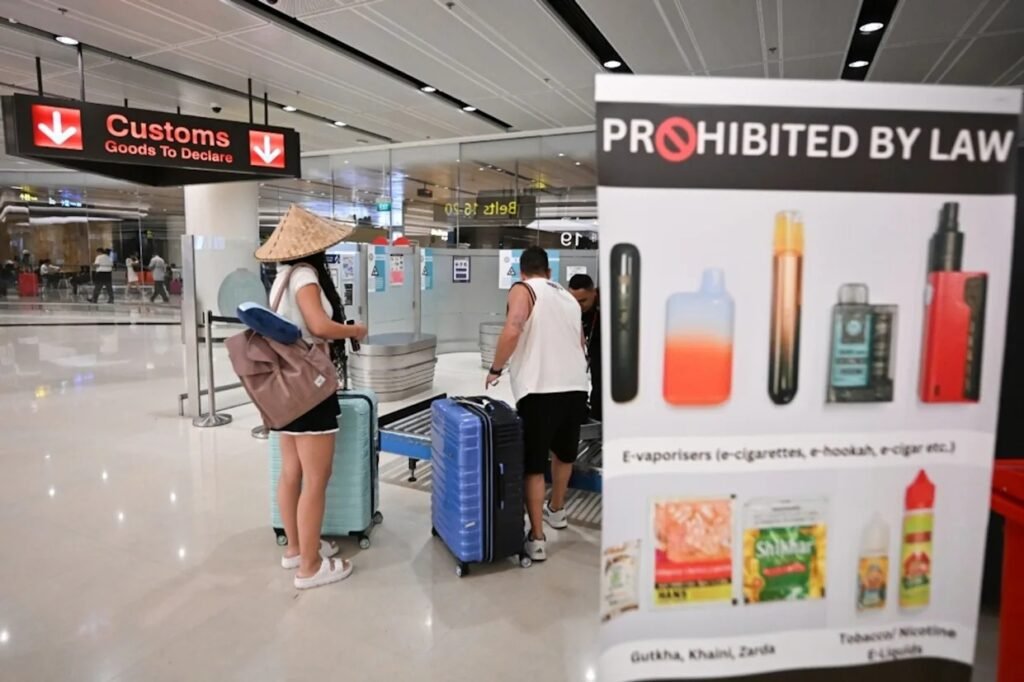
Singapore maintains one of the world’s strictest positions on electronic cigarettes. Unlike countries that regulate vaping with age restrictions, Singapore chose complete prohibition. The laws on vapes here ban the import, sale, distribution, and possession of all vape products—no exceptions for personal use, tourists, or small quantities.
Recent incidents, including vaping inside MRT trains, highlight ongoing enforcement challenges. As authorities tighten new vaping laws in 2026, understanding the regulations and penalties becomes critical for residents, visitors, and businesses alike.
Why Singapore Banned Vapes Entirely
Singapore’s total ban on e-cigarettes stems from public health concerns, particularly regarding youth. While some countries permit vaping as a smoking cessation tool, Singapore rejected this approach entirely.
The government’s position is clear: electronic cigarette products serve as gateways to nicotine addiction among young people who would never consider smoking cigarettes. Rather than creating complex regulations around the legal age for vaping, authorities determined that complete prohibition offers better protection.
The vape scourge concerns everyone in Singapore, from parents worried about their children to educators witnessing vaping in school toilets. Health experts warn that e-cigarettes’ harmful effects on developing lungs present serious long-term risks that justify strict laws on vaping.
Current Laws on Vapes in Singapore
Singapore’s vaping restrictions leave no grey areas. The Tobacco (Control of Advertisements and Sale) Act prohibits the following:
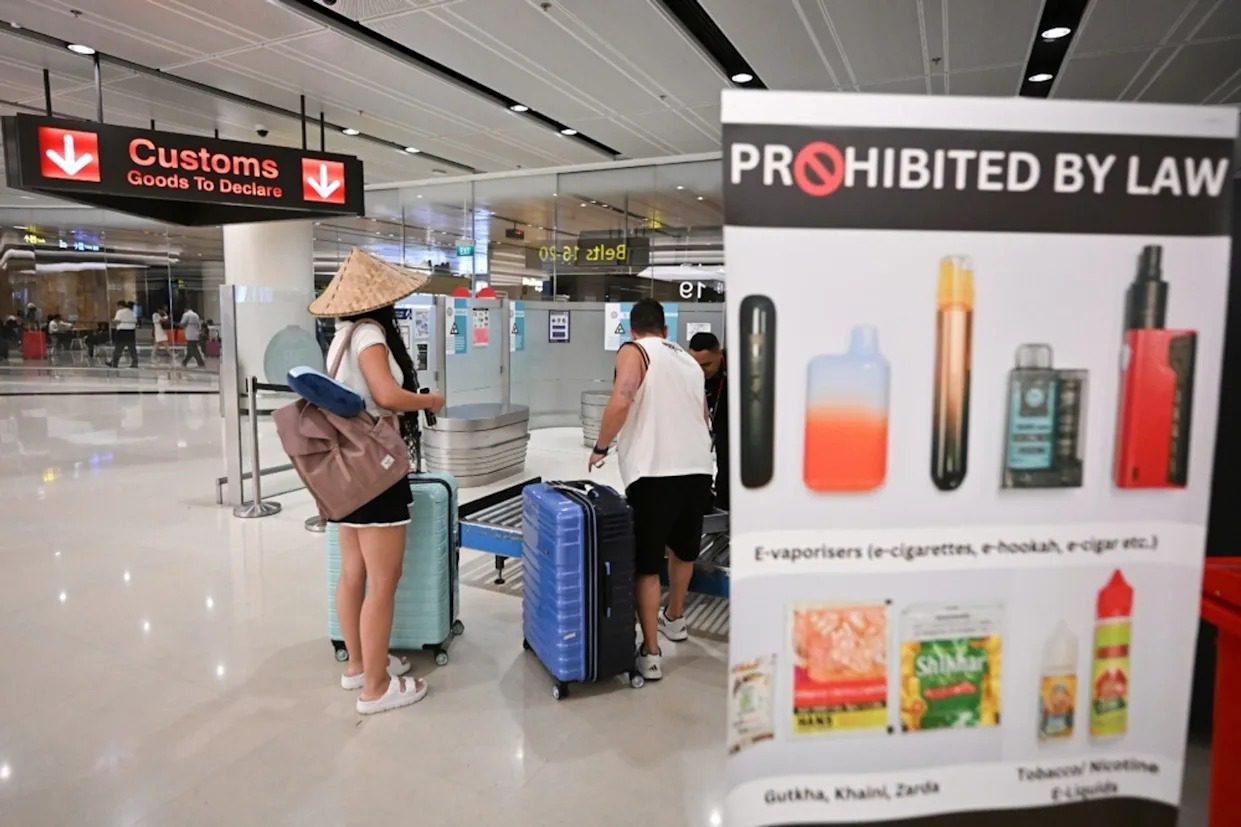
Import: Bringing any electronic cigarette, vape electronic cigarette device, or e-liquid into Singapore carries heavy fines. Customs officers actively screen for these products at all entry points.
Sale and Distribution: Selling vape products—whether in physical stores or online—violates the law. Social media sellers face the same penalties as traditional retailers.
Possession: Simply owning a vape device or e-liquid is illegal. There is no legal age for vaping because all possession remains prohibited regardless of age.
Use: Using electronic cigarettes anywhere in Singapore breaks the law. Public spaces, private property, and even personal vehicles fall under vaping restrictions.
The Singapore government’s Stop Vaping campaign reinforces these messages, targeting youth through education and enforcement.
New Vaping Laws 2026: Stricter Penalties
The new laws on vapes in 2026 bring increased penalties, reflecting Singapore’s determination to eliminate vaping. First-time offenders now face fines up to $2,000 for possession. Repeat offenders can expect fines reaching $5,000 or higher.
Import violations carry even steeper consequences. Attempting to bring electronic cigarette products through customs can result in fines up to $10,000 for first offenses. Larger quantities suggest intent to distribute escalated penalties further, potentially including imprisonment.
Businesses face their set of consequences under laws on vapes. Property owners who knowingly allow vaping on their premises risk fines. Retailers caught selling vape products face penalties of up to $10,000 for first offenses and $20,000 for subsequent violations.
The profile of users has shifted significantly, with experts noting that young people now represent a growing segment of those caught violating vaping restrictions. This shift drives authorities to strengthen enforcement in schools, shopping malls, and public transport.
Why E-Cigarette’s Harmful Effects Matter
Singapore’s strict laws on vapes reflect genuine health concerns, not arbitrary policy decisions. Research confirms e-cigarette harmful impacts include the following:
Nicotine Addiction: Electronic cigarettes deliver nicotine efficiently, creating dependency among users who may have never tried smoking cigarettes.
Lung Damage: Vaping introduces chemicals and particles into the lungs, causing inflammation and damage, which is particularly concerning for developing respiratory systems.
Unknown Long-Term Effects: Vape electronic cigarette products have existed for relatively short periods. Full health consequences may take decades to understand completely.
Gateway Concerns: Studies suggest young people who vape become more likely to try smoking cigarettes later, undermining decades of anti-smoking progress.
According to BBC reporting on Singapore’s vape crackdown, authorities consider youth protection the primary driver behind maintaining complete prohibition rather than adopting regulated alternatives.
Vaping Restrictions Across Public Spaces
Singapore’s vaping restrictions extend across all public areas. Transit systems, shopping centers, parks, restaurants, and entertainment venues all prohibit electronic cigarette use. The same penalties apply whether someone vapes in an MRT station or a private office building.
Schools face particular challenges in enforcing laws on vapes. Students caught with vape devices face disciplinary action alongside potential legal consequences. Educators report confiscating devices regularly, indicating continued demand despite prohibition.
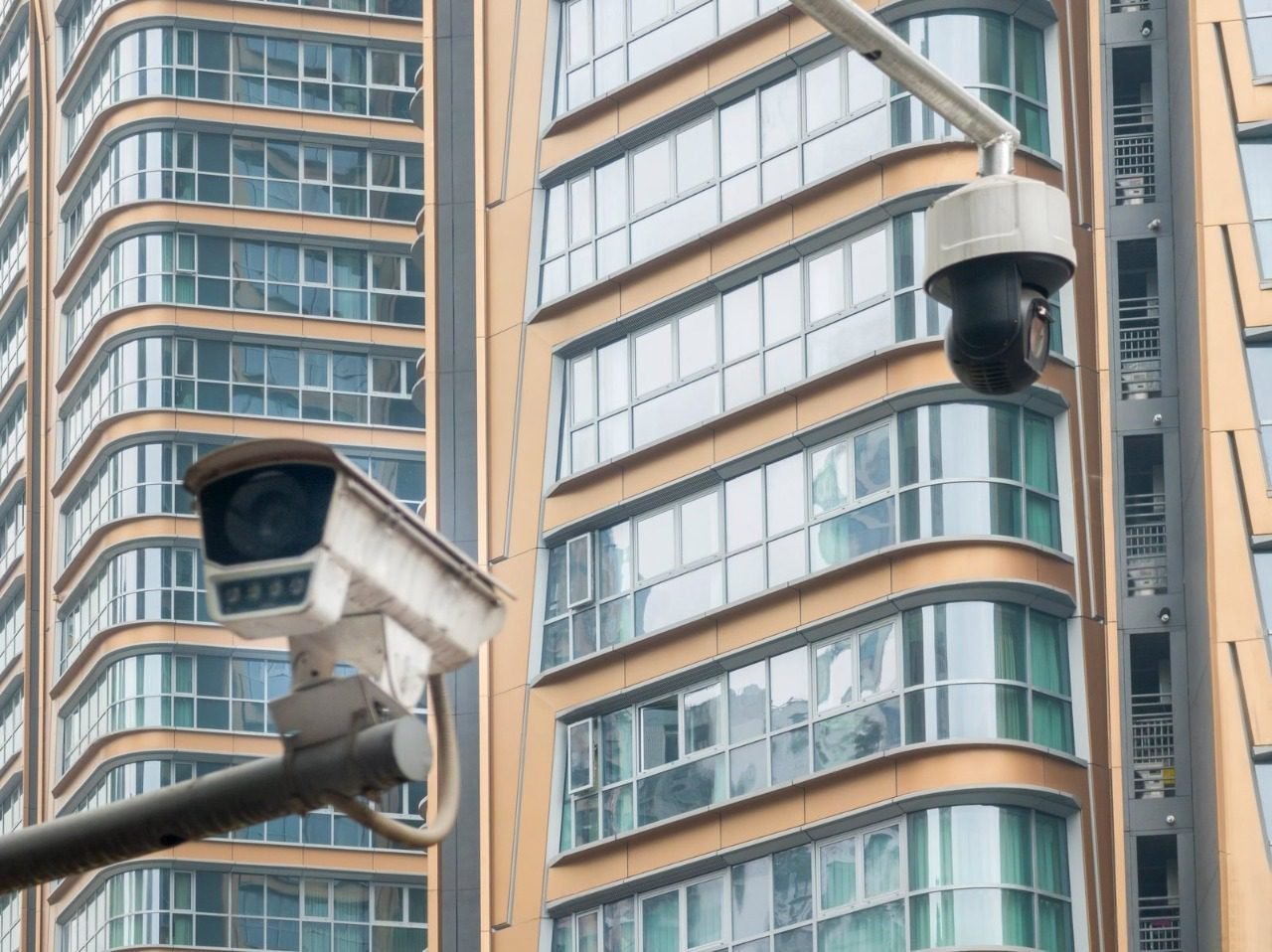
Malls use video surveillance extensively to monitor for violations, including vaping in common areas and restrooms. Security teams respond to alerts, confronting violators and potentially involving authorities for repeat offenses.
Workplaces must also enforce vaping restrictions. Employers who permit vaping on premises risk penalties. Many businesses now include electronic cigarette prohibition in workplace policies alongside existing cigarette smoking bans.
Enforcement Through Surveillance Technology
Enforcing laws on vapes across large properties presents challenges. Security guards cannot monitor every corner simultaneously. This creates opportunities for violations in blind spots—stairwells, parking garages, restrooms, and remote areas.
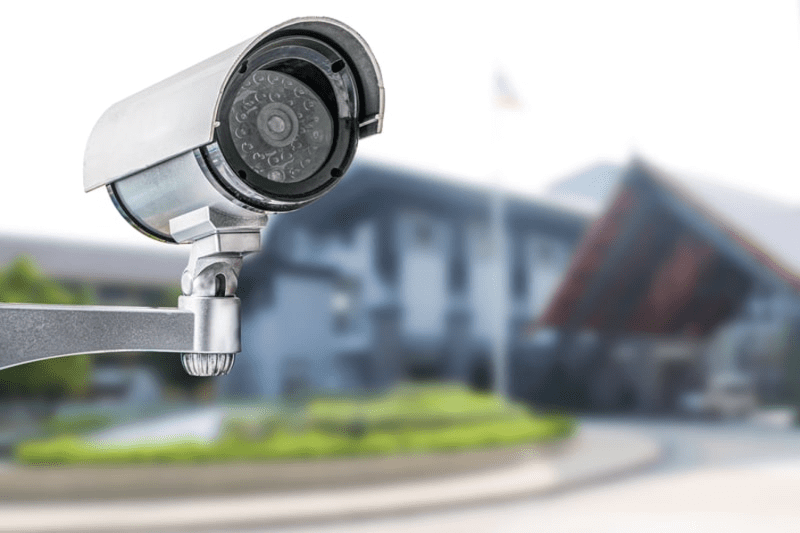
Security camera monitoring helps businesses maintain compliance with vaping restrictions. Cameras positioned throughout properties capture activity in areas staff cannot physically patrol. When connected to 24/7 live CCTV monitoring services, trained operators detect violations as they occur.
Virtual guard services allow immediate response through two-way audio surveillance. Operators can issue warnings directly to individuals caught vaping, often resolving situations before security staff arrives.
For schools, malls, and commercial buildings, this technology supports consistent enforcement of new laws on vapes. Property managers demonstrate compliance while protecting their premises from liability associated with allowing violations.
What This Means for Singapore
Singapore’s laws on vapes will likely remain among the world’s strictest. The government shows no indication of shifting toward regulated alternatives adopted elsewhere. Instead, new laws on vapes in 2026 signal continued commitment to complete prohibition.
For residents and visitors, the message is straightforward: “Vaping is illegal” means exactly that. No amount is permitted. No exceptions exist. Possession alone triggers penalties.
For businesses, compliance requires active monitoring. Simply posting “no vaping” signs meets minimum requirements but doesn’t prevent violations, as many individuals may ignore these signs without additional enforcement measures in place. Properties serious about enforcement increasingly rely on surveillance technology to maintain vaping restrictions consistently.
Parents, educators, and healthcare professionals continue advocating for youth protection. Their concerns about e-cigarette harmful effects drive public support for strict laws on vaping despite criticism from harm reduction advocates who favor regulated alternatives.
Protecting Your Property From Violations
Businesses managing large properties face practical challenges in enforcing vaping restrictions. GCCTVMS Singapore provides professional monitoring solutions that detect violations across the entire premises. Live operators watch camera feeds continuously, alerting security staff when they observe vaping or other prohibited activities.
Whether you manage a school, shopping mall, office building, or residential development, surveillance technology supports consistent enforcement of Singapore’s strict laws on vapes. Stop relying on security guards who cannot be everywhere at once. GCCTVMS monitoring fills the gaps, catching violations as they happen and helping your property stay compliant with new laws on Vapes 2026. Contact GCCTVMS Singapore to discuss monitoring solutions for your property, or Book a 30-min Call to explore how our services fit your enforcement needs.
FAQ’s
Is vaping illegal in Singapore?
Yes. Singapore completely prohibits the import, sale, distribution, possession, and use of all electronic cigarettes and vape products.
What is the legal age for vaping in Singapore?
There is no legal age for vaping in Singapore. All vaping remains illegal regardless of age.
What are the penalties under new vaping laws of 2026?
First-time possession carries fines up to $2,000. Import violations can reach $10,000. Repeat offenders and sellers face higher penalties including potential imprisonment.
Why did Singapore ban vape products completely?
Singapore prioritizes youth protection against nicotine addiction and e-cigarettes harmful health effects, choosing prohibition over regulation.
Can businesses get fined for allowing vaping on the premises?
Yes. Property owners who knowingly permit vaping on their premises face penalties under Singapore’s vaping restrictions.