5 Critical Reasons Singapore Needs CCTV Now
Singapore’s reputation as a safe city doesn’t mean businesses can ignore security. Commercial properties face unique challenges that make CCTV surveillance systems necessary for protection, liability management, and operational efficiency. The question isn’t whether your business needs surveillance—it’s how quickly you can implement it.
The Security Landscape in Singapore
Business owners often assume Singapore’s low crime rates eliminate the need for robust security measures. That assumption costs money. Commercial properties experience theft, vandalism, and unauthorized access regularly.
Retail stores lose inventory to shoplifting and employee theft. Warehouses face equipment disappearance during off-hours. Construction sites deal with material theft. Office buildings manage access control challenges.
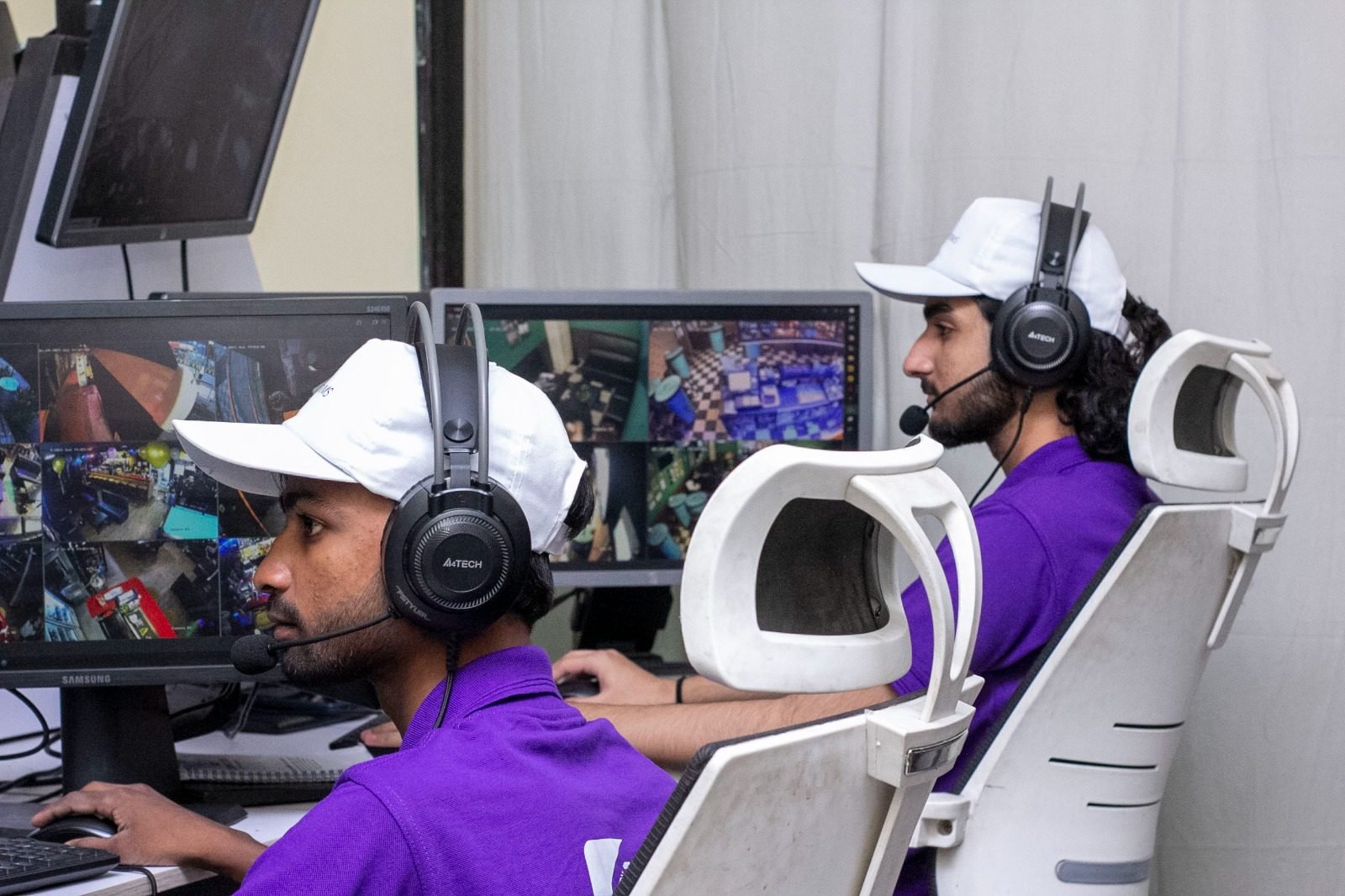
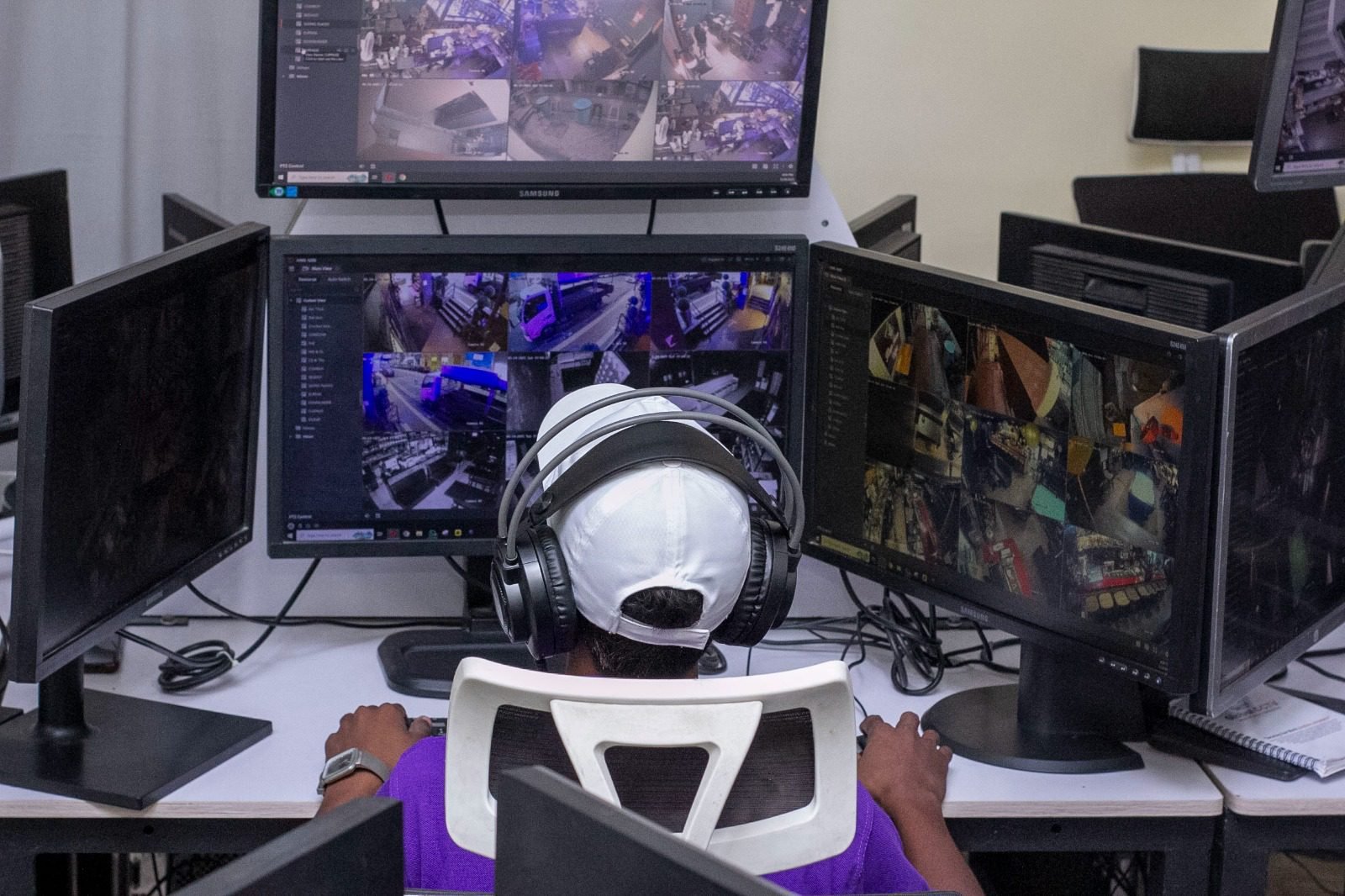
Businesses with CCTV surveillance see measurable differences in incident rates. Visible cameras deter opportunistic crimes before they happen. When incidents occur, recorded footage provides evidence for insurance claims and legal proceedings. Understanding 24/7 CCTV monitoring for Singapore businesses shows how continuous surveillance addresses these vulnerabilities.
Legal and Regulatory Requirements for Businesses
Singapore’s regulatory environment creates specific obligations for businesses regarding security and safety. While CCTV surveillance isn’t mandatory for all businesses, certain industries face stricter requirements.
Healthcare facilities must document security measures for patient safety. Educational institutions need surveillance for child protection. Financial services face regulatory oversight requiring documented security systems.
Singapore’s Personal Data Protection Act governs how businesses collect and use surveillance footage. Proper signage, limited retention periods, and secure storage are legal requirements. Businesses using CCTV surveillance services must ensure PDPA compliance to avoid penalties.
Insurance companies frequently require surveillance systems as conditions for commercial property coverage. Businesses without adequate systems face higher premiums or coverage limitations.
Preventing Theft and Reducing Losses
Theft represents the most immediate financial threat that CCTV surveillance addresses. According to research on retail theft’s impact on small businesses, losses from theft significantly affect profit margins.
Employee theft accounts for substantial losses across industries. Video surveillance creates accountability that deters internal theft while providing evidence when incidents occur. External theft varies by business type—retail stores deal with shoplifting, warehouses face break-ins, and construction sites lose tools.
The deterrent effect of visible cameras shouldn’t be underestimated. Properties with obvious surveillance systems get passed over in favor of unprotected alternatives. For businesses needing advanced protection, choosing the best virtual receptionist services adds live monitoring that responds to suspicious activity in real time.
Businesses implementing comprehensive video surveillance typically see 30-50% reductions in theft-related losses within the first year.
Employee Safety and Workplace Security
Singapore businesses have legal obligations to protect employees. CCTV surveillance contributes to workplace safety in several ways.
Late-night workers in retail, hospitality, and logistics face elevated risks. Surveillance cameras in parking areas and isolated workspaces provide protection. Employees working alone after hours know that cameras document their environment.
High-risk areas within facilities require monitoring for safety compliance. When accidents occur, footage clarifies what happened and whether proper procedures were followed.
Workplace harassment decreases when employees know actions are recorded. Video surveillance provides clear evidence when complaints arise, benefiting both employers and employees.
False injury claims represent another challenge that surveillance addresses. Video evidence quickly resolves legitimate claims while exposing fraudulent ones, protecting businesses from exploitation.
Evidence Collection and Liability Protection
Legal disputes, insurance claims, and regulatory investigations require documented evidence. CCTV surveillance provides objective records that protect businesses from liability.
Customer disputes over alleged injuries or damaged property get resolved quickly with video evidence. Without surveillance, these disputes become expensive legal battles.
Insurance claims require proof of incidents. Burglaries, vandalism, and liability claims all benefit from video documentation. Insurance companies process claims faster when clear evidence supports them.
Singapore courts accept properly maintained CCTV footage as evidence. Timestamped, dated recordings from certified systems carry significant weight in legal proceedings.
Professional CCTV surveillance services ensure systems meet legal standards for evidence collection. Footage must be clear enough to identify individuals and document events accurately.
Remote Monitoring and Business Management
Modern video surveillance extends beyond security into operational management. Business owners gain visibility into daily operations that improve efficiency.
Remote access through smartphones lets owners check properties anytime. Multi-location businesses benefit from centralized monitoring across all sites. Managers can verify procedures and observe employee performance without physical presence.
Operational oversight helps identify inefficiencies and training needs. Retail managers observe customer service interactions. Warehouse supervisors review loading procedures. This operational visibility creates improvement opportunities beyond security.
Integration with access control systems enhances security management. Combined systems control who enters restricted areas while recording all access attempts.
Cost comparisons favor video surveillance over traditional security. Hiring security guards for 24/7 coverage costs $8,000-$12,000 monthly in Singapore. Comprehensive CCTV surveillance services cost 60-75% less. For businesses needing interactive security, virtual doorman services providers offer cost-effective alternatives to physical security staff.
Insurance Premium Reductions
Commercial insurance premiums reflect risk assessment. Properties with documented security measures present lower risks, resulting in reduced premiums.
Insurance companies in Singapore typically offer 10-25% premium reductions for businesses with certified CCTV surveillance systems. The exact discount depends on coverage type and business category. According to insurance requirements analysis for Singapore businesses, proper documentation ensures businesses receive all eligible discounts.
Long-term savings accumulate beyond premium reductions. Businesses with surveillance experience fewer theft claims, lower liability settlements, and reduced fraud. A business paying $5,000 annually for commercial insurance could save $750-$1,250 per year with surveillance systems.
Customer Confidence and Business Reputation
Visible security measures communicate professionalism and care for customer safety. In competitive markets, security features influence customer choices.
Retail customers feel safer in stores with visible surveillance. Parents prioritize childcare facilities with documented security. Corporate clients consider security practices when selecting vendors. Visible CCTV surveillance signals that businesses take safety seriously.
Professional image matters in Singapore’s competitive environment. Properties with modern security systems project sophistication. Tenant satisfaction in commercial properties depends partly on security features.
According to systematic research on CCTV surveillance for crime prevention, widespread surveillance systems contribute to community safety by deterring criminal activity and assisting law enforcement investigations.
Choosing the Right CCTV Surveillance System for Your Business
System selection affects both effectiveness and cost-efficiency. Businesses need surveillance solutions matched to their specific requirements.
Camera types vary by application. Indoor cameras need different specifications than outdoor units. High-traffic areas require wide-angle coverage. Warehouse loading docks need weather-resistant cameras with night vision.
Resolution directly impacts evidentiary value. Minimum 1080p resolution provides adequate detail for most applications. High-value areas benefit from 4K cameras.
Storage capacity planning affects cost and compliance. Most businesses maintain 30-90 days of recordings. Cloud storage offers accessibility advantages, while local storage reduces ongoing costs.
Professional installation ensures optimal placement and reliable operation. For businesses requiring interactive monitoring, two-way audio surveillance systems provide communication capabilities that enhance security response.
Budget considerations vary by business size. Small retail stores might spend $3,000-$8,000. Medium warehouses typically invest $10,000-$25,000. Large properties often allocate $30,000-$100,000 or more.Best CCTV monitoring services in Singapore provide comprehensive packages including installation, monitoring, and maintenance.