Virtual Receptionist Services in Singapore
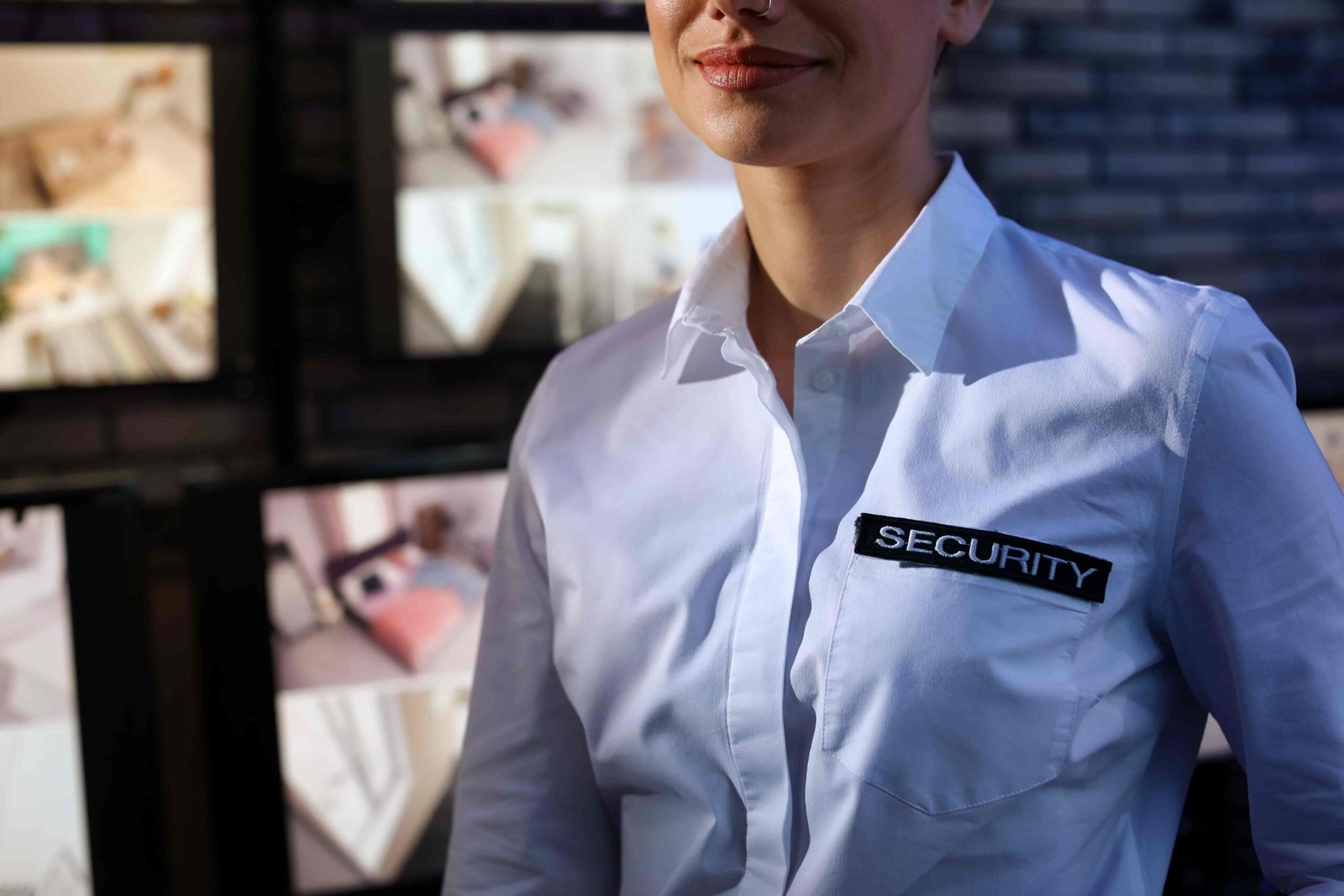
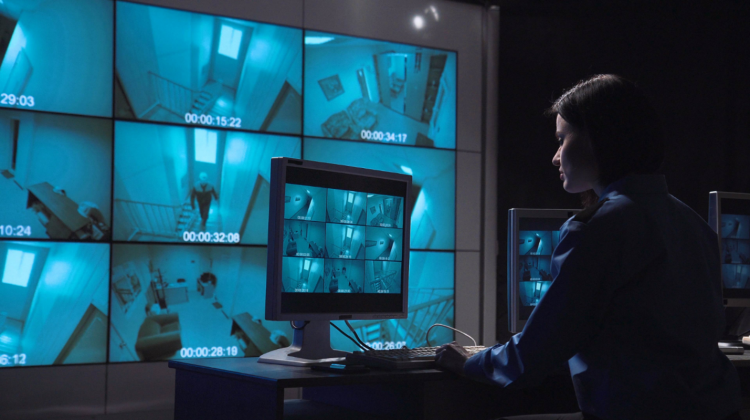
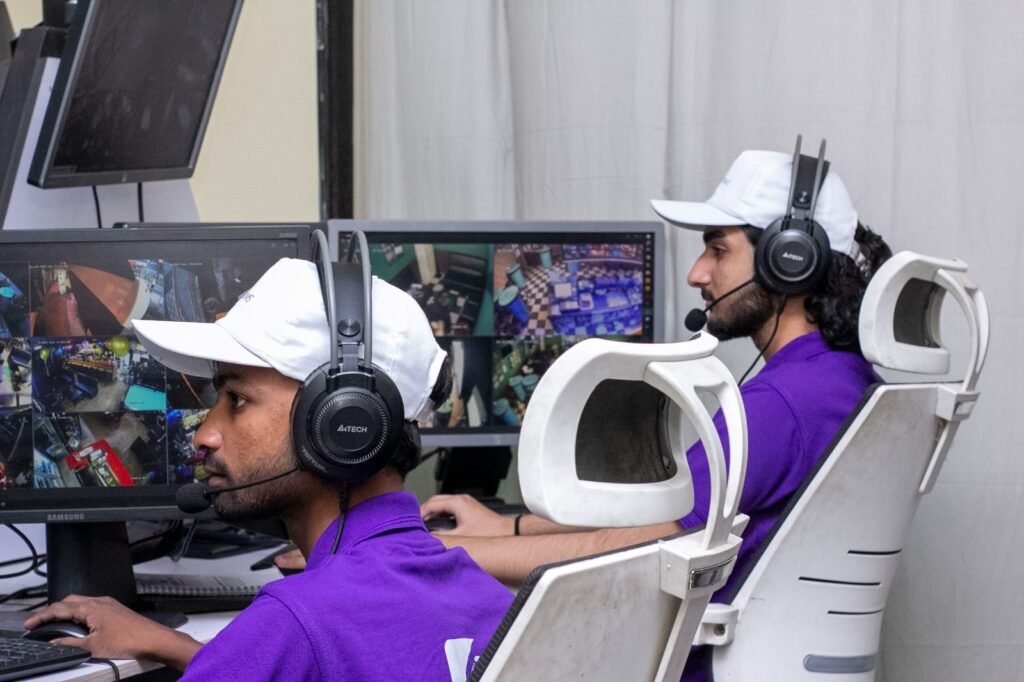
Virtual receptionist services combine professional security monitoring with CCTV surveillance technology to protect businesses and properties. Unlike traditional reception desks, these services use remote monitoring teams who watch live camera feeds, screen visitors, and respond to security incidents in real time.
For businesses in Singapore, camera monitoring services include visitor verification, package delivery monitoring, after-hours surveillance, and immediate response to suspicious activity. This approach provides consistent coverage without gaps created by staff breaks or shift changes.
Why Businesses Are Switching to Virtual Receptionist Services
Traditional reception staff require monthly salaries from $2,000 to $3,500 USD, plus CPF contributions, medical benefits, and replacement costs during absences. Maintaining 24/7 coverage requires multiple full-time positions, significantly multiplying expenses.
A CCTV surveillance company can deliver continuous monitoring for $800 to $2,000 USD monthly. Every visitor interaction is recorded, creating audit trails for security reviews. Response times are faster because monitoring professionals focus exclusively on security without administrative distractions.
Multiple locations can be monitored from a central platform, ensuring consistent security standards. According to Security Magazine’s virtual guard services research, companies report significant reductions in unauthorized access incidents after implementing these systems.
Credentials and Licensing Requirements in Singapore
Singapore maintains strict regulatory oversight through the Police Licensing and Regulatory Department. Any surveillance services company must hold a valid security service provider license, meeting operational standards and background checks for monitoring personnel.
Verify licensing status directly with Singapore authorities. Reputable providers readily provide license numbers and compliance documentation. The Personal Data Protection Commission of Singapore establishes requirements for the collection, storage, and use of surveillance footage.
Look for providers with industry certifications and insurance coverage for professional liability and potential data breaches. Red flags include reluctance to share credentials, extremely low pricing, lack of physical office in Singapore, or vague answers about regulatory compliance. A local presence ensures familiarity with Singapore’s security regulations and faster response capabilities.
Technology Standards and Integration Capabilities
Camera quality directly impacts monitoring effectiveness. Minimum standards include high-definition cameras with 1080p resolution, effective night vision, and wide-angle coverage at entry points. Poor camera quality compromises the entire system regardless of the monitoring team’s skill.
Cloud-based systems offer remote access and automatic backup, but verify where data is stored and whether servers comply with local data residency requirements. Mobile accessibility is standard—business owners need smartphone apps to view live feeds and receive instant alerts.
Integration capabilities separate basic monitoring from comprehensive solutions. Virtual receptionist services should work with existing access control systems, allowing remote door unlocking after visitor verification. Integration with alarm systems enables coordinated responses when intrusions are detected.
System redundancy protects against failures. Ask about backup internet connections, battery backup during power outages, and failover procedures in case primary monitoring centers experience issues. According to the IFSEC Global Video Surveillance Report, system downtime ranks among top complaints about surveillance services.
Response Time and Service Level Agreements
Response time defines the core value of virtual receptionist services. Quality providers in Singapore maintain response times under 30 seconds for visitor interactions and under 60 seconds for alarm events.
Service Level Agreements should specify response times in writing, along with consequences if standards aren’t met. The SLA should cover system uptime guarantees (typically 99.5% or higher), maximum resolution times for technical issues, and escalation procedures.
Coverage hours impact pricing and protection levels. True 24/7 monitoring provides continuous protection but costs more than business-hours coverage. Some businesses opt for hybrid approaches—active monitoring during high-risk evening hours with motion-activated recording during daytime periods.
Understanding what our services include helps set realistic expectations. Virtual receptionists can verbally challenge intruders through two-way audio, contact authorities, and document incidents with recorded evidence.
Pricing Models and Cost Transparency
Virtual receptionist services in Singapore follow monthly subscription pricing based on the number of cameras monitored and coverage hours. Small businesses pay $400 to $1,000 USD monthly. Medium operations range from $1,000 to $2,500 USD monthly. Large facilities expect $2,500 to $6,000 USD or more monthly.
Setup costs vary based on existing infrastructure. Properties with compatible cameras need only software configuration, costing $500 to $1,500 USD. Facilities requiring new installation face $3,000 to $10,000 USD investments.
Watch for hidden fees related to cloud storage, additional user access, or technical support calls. Equipment ownership affects long-term costs—some providers include cameras but retain ownership, while others sell equipment upfront.
Contract length influences pricing. Month-to-month agreements cost 15-25% more than annual contracts. Many businesses start with shorter commitments to verify service quality.
Industry Experience and Specialization
Industry-specific experience affects how well providers understand your security challenges. Retail requires theft prevention monitoring. Warehouses emphasize loading dock security. Construction sites need equipment protection and safety compliance monitoring. Healthcare facilities balance security with patient privacy.
Ask providers for references from your industry. Speaking with current clients reveals real-world performance. Companies like Guide are proven providers.
Evaluating Customer Support and Training
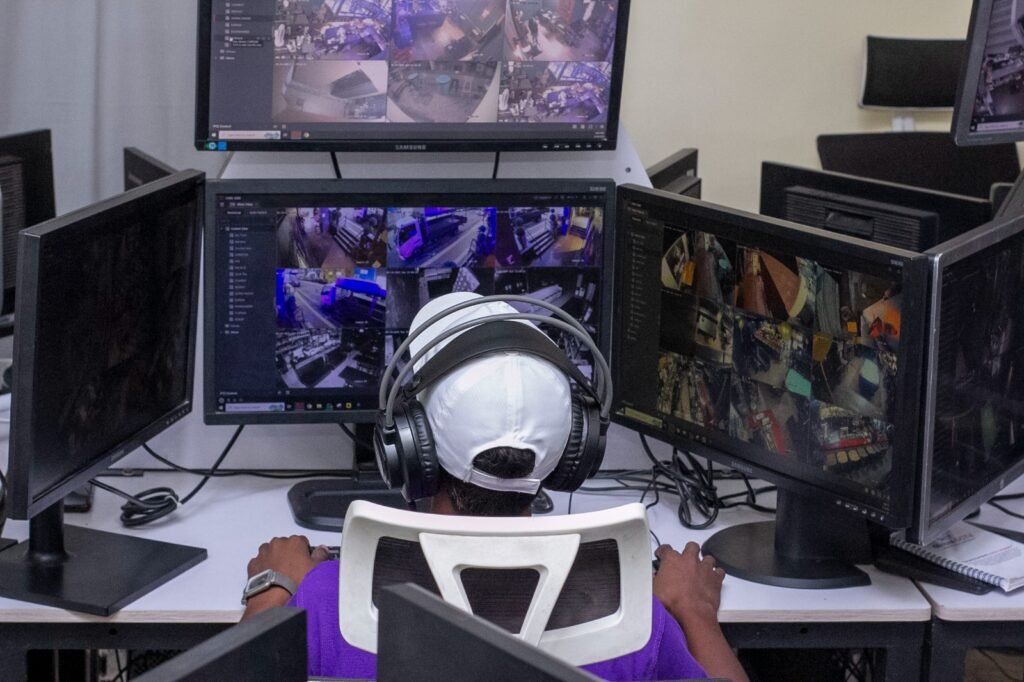
Professional providers offer comprehensive onboarding, including site assessment, system configuration, and staff training. Your team needs training on system interaction, accessing footage, and responding to alerts.
Ongoing technical support matters when issues occur. How quickly can you reach qualified technicians? Is support provided by local Singapore staff who can visit on-site if needed? Regular software updates and camera maintenance should be included in service agreements.
Questions to Ask Before Signing a Contract
Service quality questions: What is your average response time? What certifications do monitoring professionals hold? Can I speak with current clients?
Technology questions: Where is footage stored? What happens if internet connectivity fails? Can the system integrate with my access control?
Business terms: What is the contract length? What’s included in monthly fees? Who owns the equipment?
Red Flags to Avoid When Choosing a Provider
Pressure tactics like limited-time offers indicate sales-focused operations. Reputable companies give you time to evaluate options.
Lack of local presence in Singapore raises accountability concerns. Companies without physical offices or verifiable business registration may disappear when problems arise.
Absence of references suggests the provider is new or has unsatisfied customers. Extremely low pricing that undercuts competitors suggests corners being cut—those savings might come from poorly trained staff or unreliable technology.
Poor online reviews reveal customer dissatisfaction patterns. Vague contract terms create dispute opportunities. Limited technology demonstrations suggest poor system performance.
Making Your Final Decision
Create a scorecard evaluating providers across licensing, technology quality, response times, industry experience, and pricing transparency.
Request detailed proposals from top candidates addressing your specific security concerns. Schedule site visits for optimal camera placement recommendations.
Check references by asking current clients about actual performance versus sales promises. Review contracts carefully before signing. Ensure SLAs specify measurable standards.
Consider starting with a pilot program covering highest-risk areas before full expansion. For businesses ready to implement professional services, contact us to discuss your requirements.